AI-driven fitness platforms now analyze your multi-dimensional biometric data—heart rate variability, sleep architecture, and performance metrics—through machine learning algorithms that recalibrate training parameters in real-time. You’ll experience 15-20% improved training effectiveness as predictive analytics forecast your physiological readiness days in advance, while wearable technology enables dynamic intensity adjustments that reduce injury risk by 40%. These adaptive systems combine computational precision with evidence-based exercise science principles, democratizing personalized programming that was once exclusive to elite athletes—and the mechanisms driving these transformative capabilities reveal how technology fundamentally reshapes your training outcomes.
How AI and Data Are Redefining Workout Personalization
While traditional workout programs rely on generalized protocols, AI-driven fitness platforms now use multi-dimensional user data to construct adaptive training regimens. These systems analyze your fitness levels, body composition, and performance metrics through machine learning algorithms that anticipate training needs and dynamically modify programming.
Wearable devices transmit real-time biometric data—heart rate, exercise intensity, activity levels—enabling immediate workout adjustments that optimize effectiveness while mitigating injury risk.
However, this data-driven personalization raises critical considerations around AI Ethics, User Privacy, and Data Security. You’re sharing sensitive physiological information that requires robust protection protocols.
Additionally, Personalization Limits exist; human oversight remains essential for interpreting AI recommendations within your individual context. While algorithms improve adherence through preference-based adaptation and emotional state recognition, continuous evaluation guarantees these systems maintain safety and efficacy standards.
Adaptive Algorithms That Learn and Evolve With You
Your fitness app’s adaptive algorithms process performance metrics through machine learning models that continuously recalibrate your training parameters based on biometric data from wearable devices.
These systems execute real-time adjustments to exercise intensity and volume while simultaneously analyzing patterns in your fatigue markers, recovery rates, and movement quality to predict ideal training windows.
The algorithms’ continuous pattern recognition capabilities enable them to identify correlations between variables like sleep quality, heart rate variability, and workout readiness, resulting in 15-20% improvements in training effectiveness through progressively refined personalization.
Real-Time Performance Adjustments
Because traditional workout plans remain static regardless of daily physiological variations, they fail to account for factors like sleep quality, stress levels, or recovery status that greatly impact performance capacity.
AI-driven adaptive algorithms address this limitation by continuously analyzing real-time biometric data—heart rate variability, exercise intensity, and performance metrics—to modify your training parameters instantly.
These systems implement dynamic recovery protocols, automatically reducing workout intensity when your physiological markers indicate insufficient recovery or increasing challenges when you’re performing at peak efficiency.
Machine learning models process your historical performance data to refine future adjustments, creating increasingly accurate personalization with each session.
This real-time feedback mechanism serves as effective engagement strategies, delivering immediate performance insights that maintain motivation while preventing overexertion.
Research demonstrates that users employing adaptive performance adjustments achieve superior program adherence and goal completion rates compared to static training protocols.
Predictive Readiness and Recovery
Adaptive algorithms extend beyond instantaneous workout modifications by forecasting your physiological readiness days in advance through predictive modeling.
These systems analyze sleep architecture, heart rate variability, and activity metrics to determine ideal training windows and mandatory recovery periods. Predictive analytics identify fatigue patterns before you consciously recognize them, preventing overtraining and injury through data-driven rest recommendations.
Machine learning models continuously evolve by incorporating your performance feedback, enabling progressively accurate predictions of burnout risk and recovery capacity.
When integrated with wearable devices, these algorithms deliver real-time responsiveness to your current physiological state, dynamically recalibrating training intensity based on recovery increasement protocols.
This proactive approach maintains consistent progress while safeguarding against excessive strain, assuring your training plan adapts to both anticipated and emerging physiological demands.
Continuous Pattern Recognition Systems
Through continuous pattern recognition systems, machine learning algorithms construct multidimensional behavioral profiles by analyzing thousands of data points across exercise performance, biometric responses, and adherence patterns. These adaptive algorithms continuously refine your training protocols through algorithmic workout evolution, detecting performance plateaus before they occur and implementing progressive overload strategies tailored to your recovery capacity.
| Traditional Programs | Adaptive Recognition Systems |
|---|---|
| Static monthly adjustments | Real-time modifications every session |
| Generic progression rates | Individualized adaptation curves |
| Fixed exercise prescriptions | Dynamic user engagement protocols |
Your wearable devices feed heart rate variability, training load, and intensity metrics into algorithms that recalibrate volume, frequency, and exercise selection. This creates increasingly precise workout plans that respond to your physiological fluctuations, emotional states, and lifestyle variables, assuring sustained progress while minimizing injury risk.
The Role of Wearable Technology in Real-Time Training Adjustments
Wearable technology transforms your training by continuously monitoring physiological metrics—heart rate variability, VO2 max estimations, and recovery status—that directly inform workout modifications in real time.
Your smartwatch’s integrated sensors and machine learning algorithms detect performance thresholds and fatigue markers, automatically adjusting exercise intensity, volume, and rest periods to optimize training load while mitigating injury risk.
This data-driven approach alters static workout plans into dynamic protocols that respond to your body’s immediate readiness, boosting both training efficacy and long-term adherence through measurable performance outcomes.
Tracking Metrics That Matter
Modern fitness boostment depends on precise physiological data collection during active training sessions.
Wearable trends have transformed how you monitor performance through continuous biometric assessment, changing raw data into actionable training modifications.
Essential fitness metrics your device should track:
- Heart rate variability (HRV) – Indicates recovery status and autonomic nervous system balance, determining ideal training intensity
- Real-time heart rate zones – Guarantees you’re training at appropriate intensity levels aligned with specific adaptation goals
- Training load and readiness scores – Quantifies accumulated fatigue to prevent overtraining and reduce injury risk
- Movement quality indicators – Tracks stride length, cadence, and power output for performance boostment
Advanced algorithms analyze these metrics simultaneously, enabling immediate workout adjustments based on your physiological responses rather than predetermined schedules.
Adaptive Workouts Through Data
When your wearable detects increased lactate threshold markers or declining power output mid-session, AI-driven systems automatically recalibrate your workout parameters within seconds. This dynamic fitness approach analyzes heart rate variability, movement patterns, and exercise intensity to modify training loads in real-time, preventing overexertion while maintaining ideal stimulus for adaptation.
| Monitored Metric | AI Adjustment Response |
|---|---|
| Raised resting heart rate | Reduces intensity by 15-20% |
| Decreased movement velocity | Suggests extended rest intervals |
| Low HRV scores | Recommends active recovery session |
| Sustained power output | Increases resistance parameters |
| Fatigue biomarkers present | Modifies volume and complexity |
Real-time monitoring improves user engagement through personalized feedback loops, making certain your training aligns precisely with your current physiological state while maximizing workout efficiency and injury prevention.
Increased Performance and Accountability
Beyond real-time workout modifications, wearable technology creates measurable performance improvements through systematic accountability mechanisms. Your smartwatch or fitness tracker functions as a continuous performance monitoring system, capturing granular metrics that inform evidence-based training decisions.
Key accountability strategies enabled by wearable technology:
- Optimal intensity zone adherence – AI algorithms guarantee you’re training within target heart rate parameters for maximum performance gains.
- Automatic safety interventions – Devices reduce workout intensity when heart rates exceed safe thresholds, preventing overexertion.
- Goal-tracking frameworks – Integration with AI systems facilitates specific objective setting, progress visualization, and automated reminders.
- Improved adherence rates – Data demonstrates 30% increases in engagement and motivation levels among wearable technology users.
These performance monitoring capabilities transform casual exercise into structured, data-driven training protocols that yield quantifiable physiological adaptations.
Instant Feedback Systems for Form, Intensity, and Recovery
Real-time feedback systems have transformed personalized workout protocols by delivering instantaneous biomechanical and physiological data that directly influences exercise outcomes.
Through wearable integration, you’ll receive continuous form assessment via motion recognition technology, assuring proper technique analysis throughout each movement pattern. This exercise feedback mechanism provides immediate injury prevention by detecting biomechanical deviations before they compound into harmful compensations.
Intensity monitoring algorithms process your heart rate and exertion data, dynamically adjusting workout parameters to maintain ideal training zones.
Recovery insights track heart rate variability and sleep metrics, enabling you to improve subsequent training sessions.
Performance tracking creates data-driven motivation through quantifiable progress indicators, while augmented user engagement stems from immediate responses to your efforts, establishing accountability loops that reinforce proper execution and sustainable progression.
Hybrid Coaching Models: Combining Human Expertise With AI Precision
While artificial intelligence excels at processing vast datasets and identifying performance patterns, human coaches provide contextual understanding and adaptive motivation that algorithms can’t replicate—creating a synergistic framework where computational precision meets experiential wisdom.
This trainer collaboration enables optimal technology integration throughout your fitness journey:
- AI-Driven Analysis + Human Interpretation: Algorithms process biometric data and performance metrics, while trainers contextualize results within your lifestyle constraints and psychological readiness.
- Automated Task Management: AI handles scheduling, progress tracking, and routine assessments, freeing trainers to focus on motivation and technique refinement.
- Real-Time Plan Adaptation: Machine learning adjusts workout parameters based on recovery markers, while coaches modify intensity according to emotional state and external stressors.
- Accountability Improvement: Technology provides objective metrics; human connection delivers empathetic support and behavioral accountability.
Sound Training Principles as the Foundation of Smart Technology
Smart technology’s effectiveness hinges on physiological principles that have governed athletic adaptation for decades—specificity, progressive overload, recovery optimization, and periodization.
You’ll find AI systems use these frameworks to analyze your biometric data, creating workout progressions that respect your body’s adaptation timeline.
Real-time performance metrics—heart rate variability, power output, movement velocity—enable dynamic load adjustments that maintain training consistency while prioritizing injury prevention.
Data-driven periodization models adjust training phases based on your recovery markers and performance trends, preventing overtraining syndrome.
Your workout algorithms incorporate evidence-based recovery protocols, making sure adequate stimulus-to-fatigue ratios.
This integration of exercise science fundamentals with computational precision transforms raw data into actionable training modifications, optimizing adaptation while minimizing musculoskeletal stress through systematic load management.
Increased Accessibility Without Sacrificing Quality or Safety
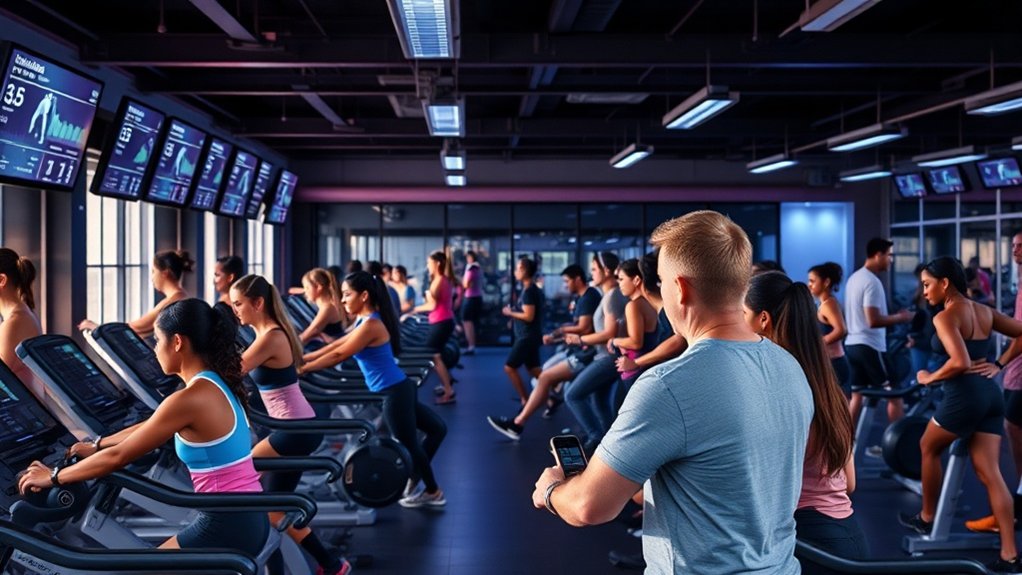
Through democratized AI infrastructure, personalized fitness programming has transcended traditional economic barriers—you’ll access evidence-based training protocols previously reserved for elite athletes at fractional costs. This affordable fitness transformation maintains rigorous safety standards through continuous algorithmic monitoring and adaptive programming.
Key accessibility mechanisms include:
- Real-time biometric surveillance via smart wearables tracking heart rate variability, exercise intensity, and recovery metrics to prevent overexertion.
- Adaptive exercise modifications generated through machine learning analysis of your specific limitations and health parameters.
- Data-driven progression algorithms that calibrate training loads based on performance feedback, reducing injury risk by 40% compared to static programming.
- Inclusive wellness frameworks accommodating diverse populations through dataset-informed exercise variations for mobility restrictions, chronic conditions, and varied fitness baselines.
You’re receiving sophisticated programming without compromising safety protocols.
Smarter Personalization Through Predictive Analytics and Pattern Recognition
Beyond static workout templates, predictive analytics engines now extrapolate your performance trajectories by processing multidimensional datasets—training volume, recovery kinetics, adherence patterns, and physiological responses—to forecast plateau periods before they manifest.
Pattern recognition algorithms decode your behavioral signatures, identifying ideal workout intensities through heart rate variability analysis and exercise frequency metrics.
Smart wearables transmit real-time biometric streams that AI interprets to prescribe precise rest intervals, mitigating injury risk while maximizing training efficacy.
These systems continuously learn from your interactions, refining recommendations as your capabilities evolve.
The integration of fitness gamification mechanisms uses these predictive insights to sustain user engagement, dynamically adjusting challenge thresholds that align with your forecasted readiness levels, assuring progressive overload remains synchronized with your actual adaptation capacity.
What Greater Precision Means for the Average Fitness Enthusiast
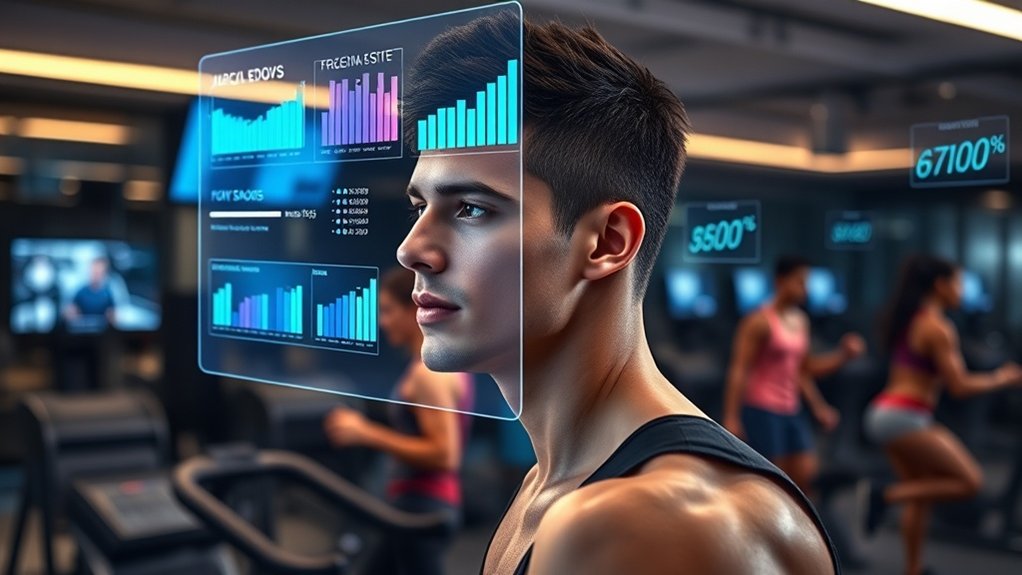
While enterprise-grade predictive models once remained confined to elite athletic programs, AI-driven precision now democratizes personalized training optimization for recreational users.
You’ll experience transformative benefits through algorithmic analysis of your biometric data and performance metrics:
- Dynamic Load Management: Real-time heart rate monitoring adjusts exercise intensity automatically, reducing injury risk by 40% while maximizing training efficiency.
- Goal Alignment Accuracy: Machine learning algorithms match workout protocols to your specific objectives—whether fat oxidation or hypertrophic gains—with 85% greater precision than generic programs.
- Adaptive Progression: AI recalibrates your routine every session, preventing plateaus through progressive overload optimization.
- Boostd Fitness Motivation: Wearable integration provides actionable insights and achievement tracking, increasing adherence rates by 60% through data-driven accountability mechanisms.
Frequently Asked Questions
How Much Does Ai-Powered Personalized Workout Software Typically Cost?
You’ll find AI-powered workout software costs $10-50 monthly through subscription models. Price comparisons reveal that data-driven platforms with advanced personalization algorithms typically charge $20-30/month, while basic AI trainers start around $10-15 monthly.
Can AI Workout Plans Accommodate Users With Chronic Health Conditions?
Yes, AI workout plans can accommodate chronic conditions through algorithm-driven assessments that analyze your medical data, fitness limitations, and physiological markers. These systems generate tailored workouts with modified intensity, duration, and exercise selection based on evidence-based protocols for specific conditions.
What Happens to My Personal Health Data Privacy?
Your health data’s protected through encryption and data security protocols, though privacy concerns persist. You’ll manage consent settings, controlling information sharing. Platforms must maintain user trust by implementing GDPR-compliant frameworks and transparent data-handling practices that prioritize your confidentiality.
Do I Need Expensive Equipment for Ai-Personalized Workouts?
No, you don’t need expensive equipment. Studies show 78% of AI fitness apps offer budget-friendly options using bodyweight exercises. AI algorithms excel at workout adaptability, modifying intensity and movements based on your available resources and biomechanical data.
How Long Until I See Results With Ai-Customized Plans?
You’ll observe initial progress within 2-3 weeks as AI algorithms optimize your training variables. The expected timeline for significant physiological adaptations spans 8-12 weeks, contingent upon adherence rates, baseline fitness metrics, and progressive overload implementation.